Convert a Tennis Court to Pickleball: What It Costs and How It Works
Unused tennis courts are common at apartments, resorts, hotels, RV parks, and mobile home communities. Converting them into pickleball courts is often one of the fastest and most cost-effective ways to improve property amenities and make better use of existing space.
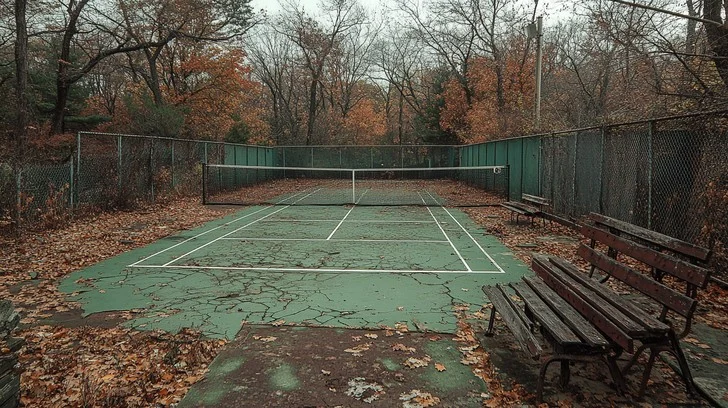
Converting an old tennis court to pickleball is one of the fastest, most affordable ways to get a pro-quality court, and we handle the process from start to finish.
These courts take up valuable space, often look worn down, and do little to improve the resident or guest experience. In many cases, they have not been resurfaced or actively used in years.
For property owners and managers trying to improve amenities, increase property value, and make better use of existing space, an unused tennis court is often a missed opportunity. One of the best solutions is converting that old tennis court into pickleball courts.
Why Old Tennis Courts Sit Empty
There are a few reasons so many tennis courts go unused.
First, they simply age out. The surface cracks, the paint fades, and maintenance gets pushed off year after year. Eventually the court becomes more of an eyesore than an amenity.
Second, tennis is less accessible for casual players. It takes more skill to get started, and many residents or guests do not feel comfortable jumping into a match unless they already have experience.
Pickleball is different. It is easier to learn, easier to play casually, and much more social. Players of all ages can get on the court quickly and enjoy the game without needing years of experience. That accessibility is a big reason why tennis participation has fallen off at many properties while pickleball demand has continued to rise.
What To Do With an Unused Tennis Court
If you have an old tennis court on your property, you do not necessarily need to tear it out and start over.
In many cases, the most cost-effective option is to convert the existing space into pickleball courts. A standard tennis court can often be converted into two to four pickleball courts depending on the layout, spacing, and surrounding conditions.
This allows a single underused court to become a much more active amenity that serves more residents or guests at the same time.
Why Converting a Tennis Court to Pickleball Makes Financial Sense
For many commercial properties, building something completely new is expensive, time consuming, and disruptive. That is why tennis court conversion is becoming such an attractive option.
When the existing court base is in usable condition, the project is often much simpler than a full rebuild. Instead of demolishing the space, many properties can reuse the existing surface and improve it through resurfacing and court conversion work.
A typical pickleball conversion may include resurfacing the court, adding pickleball lines, installing nets, and potentially upgrading fencing or lighting if needed.
Compared to building new courts from scratch or replacing the area with a completely different amenity, converting an old tennis court is often the faster and more affordable solution.
Why Pickleball Works So Well for Residential and Hospitality Properties
One of the biggest advantages of pickleball is that people actually use it.
Because the courts are smaller and multiple courts can fit within the same footprint, more people can play at once. That naturally creates a social environment where residents and guests gather, interact, and spend time together.
For property owners, this can lead to real business benefits including stronger resident satisfaction, a better guest experience, more appealing leasing tours, improved retention, and fewer vacancies. Instead of wasting square footage on an outdated court, the space becomes an active amenity that helps your property stand out.
How Long Does a Tennis Court to Pickleball Conversion Take?
Many property owners are surprised to learn how straightforward these projects can be.
If the existing surface can be resurfaced, many conversions can be completed in just a few weeks. The exact timeline depends on the condition of the court, weather, contractor availability, and whether additional upgrades such as lighting or fencing are included.
Even so, compared to most construction projects, converting a tennis court into pickleball is often a relatively quick improvement.
Why Layout and Planning Matter
Not every tennis court conversion is exactly the same. Court orientation, spacing, fencing, lighting, and surrounding walkways all affect how well the courts actually play and how comfortable they are for residents or guests to use.
That is where good planning becomes important.
As a professional pickleball player, I have played on hundreds of courts across the country and helped properties plan conversions that work well for their specific space. The goal is not just to fit pickleball courts onto an old tennis court, but to create courts that play well, look great, and serve the property long term.
Is an Old Tennis Court Conversion Right for Your Property?
If your property has a tennis court that has become underused, expensive to maintain, or outdated as an amenity, converting it to pickleball is worth serious consideration.
It is often one of the most practical ways to improve an existing property without taking on the cost of a major new construction project. For apartment complexes, hotels, RV parks, resorts, and mobile home communities, pickleball can turn a dead space into one of the most active and marketable amenities on the property.
Final Thoughts
An old tennis court does not have to remain a liability.
With the right plan, it can become a highly used pickleball amenity that builds community, improves the resident or guest experience, and helps support leasing, retention, and overall property value.
If you are considering an old tennis court conversion, I help properties evaluate layouts, avoid common mistakes, and plan courts that actually work for the people using them. Contact us today for a free consultation.
Ready to Build Your Court?
Book a free 15-minute call with Alex and get expert insight specific to your yard and goals.
Book Free Consult