Pickleball Court Colors: What to Choose (and What the Pros Actually Play On)
Blue and green is the classic choice, but it's not the only one. A touring pro breaks down what actually matters when picking your court's colors, from ball visibility to how heat affects the paint.
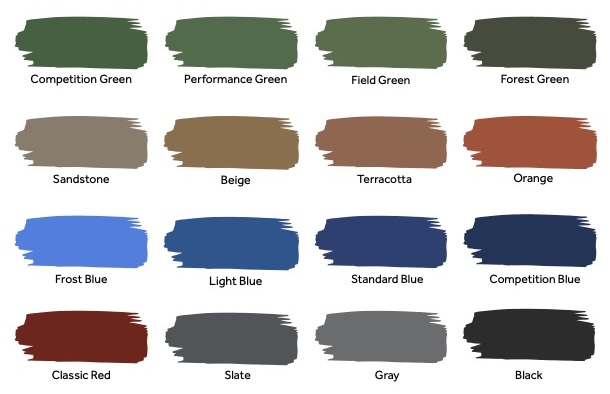
A lot of people think pickleball court colors are just an aesthetic afterthought. It's a fun question to think about for design purposes, but it's actually one of the bigger design decisions you'll make. As a touring pro who's played on more courts than I can count, and someone who's now built plenty of my own, here's the full download on what to think about.
If you want to test combinations before you commit, our court builder tool lets you preview colors on your own layout.
Popular Pickleball Court Color Combinations
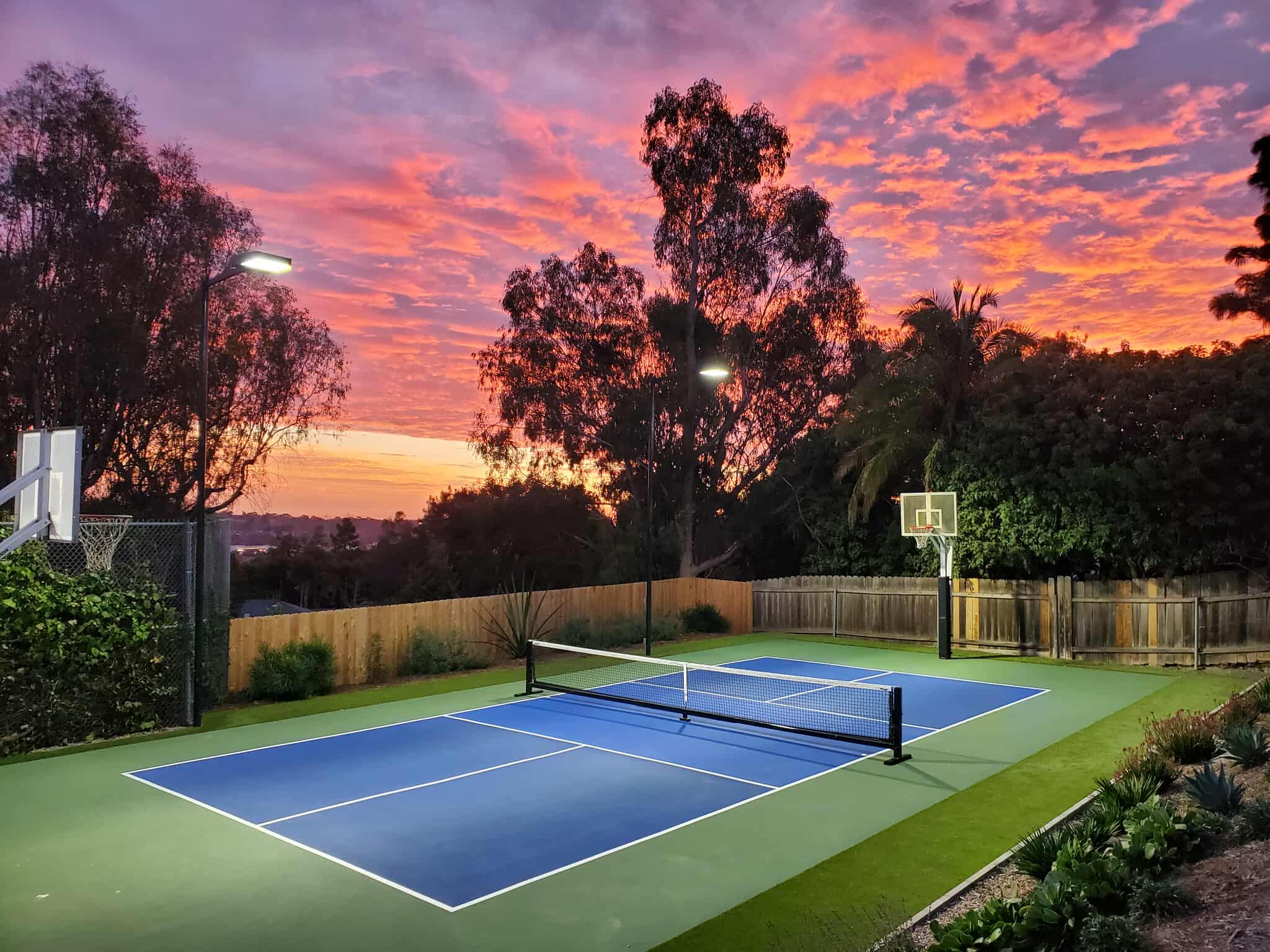
Blue and green is the classic go-to and still the most common choice. This has been the tried and true practice ever since tennis courts started becoming popular. It works well because it looks nice aesthetically, and both colors allow for good visibility with a yellow ball.
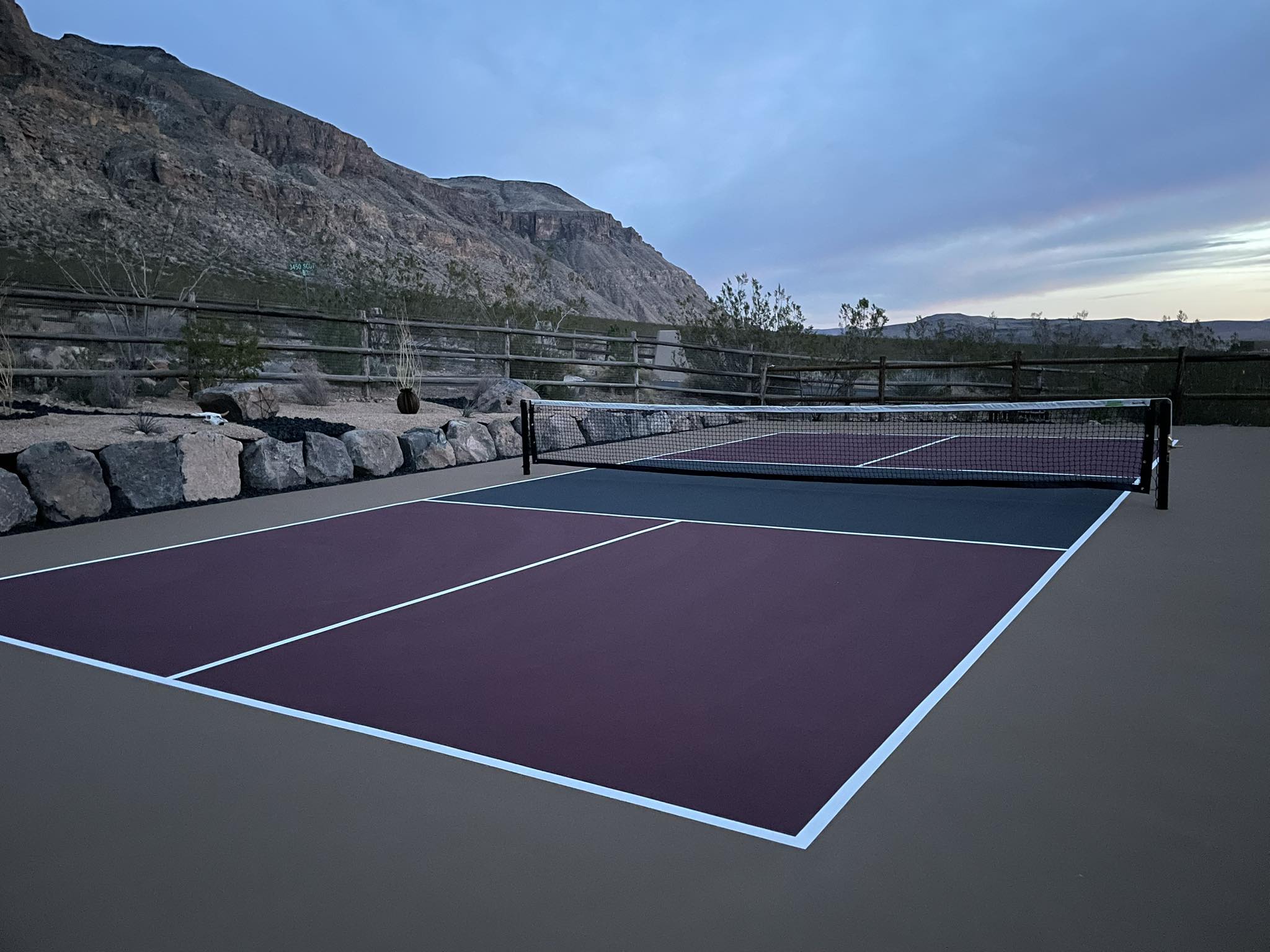
But of course, there's no rule here. A pickleball court, especially one in your backyard, is entirely your decision, and it's a project where you want to elevate your entire home design. Many court owners will go with different shades of the classic colors, or pick bolder colors like oranges, reds, and purple. As long as the colors you pick are available in our catalog, you can go with whatever fits your space and your taste.
Beyond Aesthetics: What Actually Matters
Two things matter more than most people expect when picking colors.
Contrast. You want colors that make the ball easy to see, in the air and on the ground, and colors that make the lines easy to read. You should be able to tell the kitchen, the mid-court, and the out-of-bounds area apart at a glance, especially when you're trying to call a ball in or out.
Heat. It's a smaller factor, but darker colors hold more heat. In hotter climates, that's worth thinking about, because more heat absorption on the ground can make the on-court temperature several degrees higher than outside the court.
Past those two things, the choice is yours. Pick colors that fit your home and your design taste. If you want to go bold, it won't add much to your cost, and it's one of the key parts of the project where you get to be creative.
How Many Colors Should You Use?
As a touring pro, I usually recommend a maximum of three colors: one for the kitchen, optionally a second for the mid-court area, and a third for out-of-bounds.
At minimum, you need a color difference between the in-bounds and out-of-bounds areas. That's what lets you call balls in or out at a glance. Beyond that, my only real rule as a player is to keep the colors differentiated, and avoid anything too light or too close to the ball's own color, so the ball stays easy to track no matter where it lands.
Choosing Your Colors
There's no single right answer here. The right pickleball court colors come down to contrast, climate, and how the court fits your property. If you're weighing color changes as part of a resurfacing project, our resurfacing page covers what's involved in updating an existing court's colors. If you're planning a new build, our backyard courts page walks through the full process, and our pickleball court cost guide breaks down how color and material choices affect your total price.
Ready to talk through colors for your court? Book a free consult and we'll help you land on the right combination for your space.
Ready to Build Your Court?
Book a free 15-minute call with Alex and get expert insight specific to your yard and goals.
Book Free Consult