How to Build a Backyard Pickleball Court (From a Pro Who's Played on the Best and Worst)
Thinking about building a backyard pickleball court? Professional pickleball player Alex Neumann explains the biggest mistakes homeowners make — and how to design a court that actually plays right.
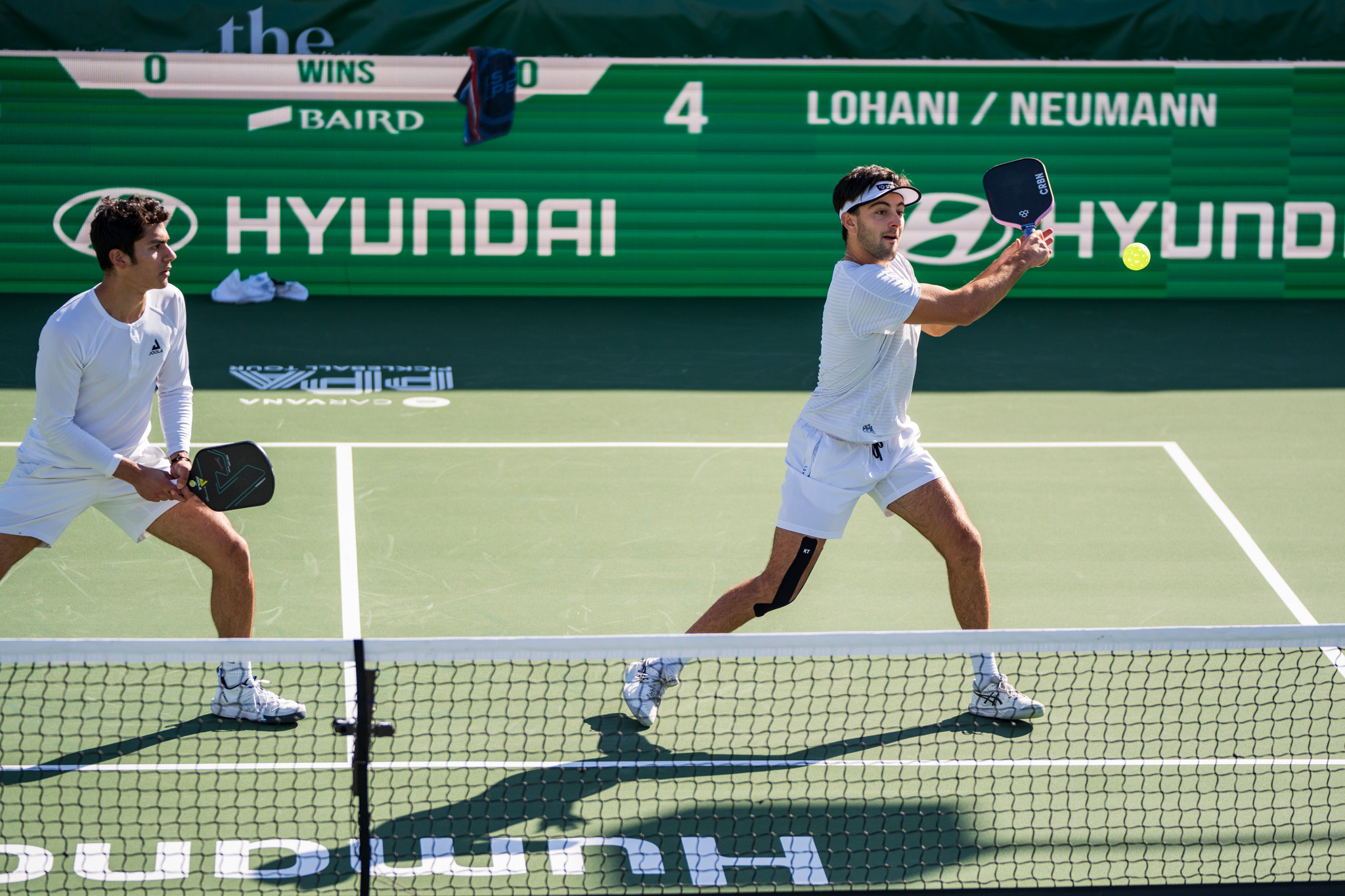
Pickleball is exploding. By now, everyone knows it.
When I started playing in 2020 during COVID, it was just starting to take off. My mom built one of the first backyard pickleball courts in our area. Fast forward a few years, and now everyone — their mom and their grandma — is playing.
And the next big thing? Not just playing at the park. Not just joining a club.
Building a pickleball court at home.
As a professional pickleball player and the founder of Backyard Pickleball Builders, I've played on courts all over the country throughout my career and I've seen firsthand how much demand there is for custom backyard pickleball courts, and how easy it is to get it wrong.
If you're thinking about building one, here's what you need to know.
Why Backyard Pickleball Courts Are So Popular
There's a reason more homeowners are choosing pickleball over traditional outdoor courts like tennis or basketball.
- It's smaller than a tennis court
- It's more affordable to build
- It's accessible for all ages
- It becomes a social hub for families and friends
A home pickleball court gives you maximum flexibility. No waiting for court time. No driving across town. No crowded public parks. With all that said, building a pickleball court is much more nuanced than it looks.
Most Backyard Courts Are Built Too Small
The biggest mistake I see? Improper court size and layout.
Yes, the playing lines are 20' x 44'. But that's not the full story — you need proper run-off space around the court so you can move safely, hit around-the-post shots, avoid hitting your paddle on a fence, and prevent injuries from crashing into barriers.
When courts are built too tight, especially with fencing, players feel restricted immediately. It changes how the game plays. It increases injury risk. And it limits your ability to improve. A backyard pickleball court should feel open and playable, not cramped.
The Foundation: Asphalt vs Concrete vs Post-Tension
The foundation is the single biggest decision in your project — asphalt, or concrete reinforced with wire mesh, fiber, rebar, or post-tension cables, in roughly that order of cost and durability. Each option affects ball bounce consistency, longevity, and maintenance differently, and the right call depends on your region and soil more than anything else. Our full foundation guide breaks down all five in detail — because I've played on world-class courts and terrible ones all over the country, and I know how a court should feel under your feet and off your paddle.
Fencing, Lighting, and Net Systems: The Extras That Change Everything
The "extras" are where things really get interesting.
Fencing can be great. It keeps balls contained and defines the space. But if your layout is tight, fencing can restrict movement, increase injury risk, and interfere with advanced shots. Fence height, placement, and material all matter.
Lights are incredible when installed correctly. But poorly positioned lighting can create glare, cast shadows, and even become physical obstacles. Lighting design is not just about brightness — it's about angle, placement, and minimizing distraction. Before you commit to a layout, think about orientation too — the sun moves east to west, so a north-south court orientation is usually your best bet for avoiding glare during peak play hours.
Many homeowners assume they need an in-ground permanent net. Not always. Drilling into concrete can actually compromise the slab and reduce the multi-use potential of the space. There are high-quality rollable nets used even at professional events, including tournaments on the PPA Tour. A removable net allows you to easily convert the space for other sports and keep your area flexible for other events.
How Much Does It Cost to Build a Backyard Pickleball Court?
The answer depends on your region, court size, foundation type, surfacing materials, fencing and lighting, and site prep requirements.
Generally, think of your project in three parts:
- Foundation: Concrete or asphalt slab installation.
- Surfacing & Painting: Acrylic sport coatings and line striping applied after the base cures.
- Accessories: Net system, fencing, lighting, benches, windscreens, etc.
Typical Price Ranges:
- $30,000–$40,000: Smaller court, fewer extras, simpler foundation.
- $50,000–$60,000+: Post-tension concrete, premium fencing, lighting systems, upgraded finishes.
Every project is custom. And small decisions can move pricing significantly.
Equipment Matters Too
A perfect court with the wrong gear is still a frustrating court. Ball selection changes with your climate and surface, paddle fit changes with your level, and the wrong equipment can add unnecessary strain on your arm and shoulder. My company partners with my paddle sponsor on tour, CRBN Pickleball, to offer free CRBN paddles and optional court sponsorship for every client we work with — so you're not just getting a court, you're getting the gear to play on it right from day one.
Why Working With a Pro Makes a Difference
Most contractors don't play pickleball at a high level. They understand concrete and grading and they're experts at what they do. But they might not understand how much lateral space competitive players need, or how different players use their court for different purposes (drilling, singles, doubles) and how those uses affect the space required.
My team and I try to bridge that gap. As a professional pickleball player who manages builds nationwide, I bring a single point of contact and clear expectations from day one. We'll start with a full consultation call going over your goals for the project and your exact space currently. From there, I help devise court specs that meet your preferences, and coordinate with my team of local contractors to execute the project.
Whether you're a casual family player or a competitive athlete, my goal is to make your court feel right, play right, and last for years. You're not just pouring concrete. You're building a playing experience.
Final Thoughts: Build It Once. Build It Right.
A backyard pickleball court is an investment in your home, your health, and your social life. But the difference between an average court and a great court comes down to details most people never think about. If you're considering building one, make sure you're working with someone who understands both construction and the game itself. Because once it's poured, it's permanent. And when it plays right, you'll feel it immediately.
If you're exploring a custom backyard pickleball court, reach out to our team at Backyard Pickleball Builders. I'm happy to walk you through layout options, materials, and realistic pricing for your region. You can schedule a free consultation with me directly by clicking here to contact us.
Let's make sure your court doesn't just look good — it plays like it should!
Ready to Build Your Court?
Book a free 15-minute call with Alex and get expert insight specific to your yard and goals.
Book Free Consult