Why Players Belong in Court Design
A builder understands construction. A player understands how a court actually plays. Here's why the best courts come from both perspectives working together from day one.
Building a pickleball court looks straightforward on paper. Pour a slab, paint the lines, hang a net. But the difference between a court that plays well and one that frustrates people every game often comes down to details only a regular player notices.
A builder understands construction, materials, drainage, and site work. A player understands how the ball bounces on different surfaces, and how a small court or crammed fence can affect your play. When those two viewpoints meet early, the finished court reflects both. Our friends at Back Creek Builders LLC discuss how bringing player feedback into the planning stage tends to prevent expensive corrections later.
The Play Experience Comes First
A court is not just a rectangular slab. It is a space where people move quickly, change direction, and react to a fast-bouncing ball. Someone who plays the sport at a high level can tell you where clearance feels tight, where lighting causes glare, and how much run-off space feels safe during a hard rally. Ask a player what they want, and the answers get specific:
- Enough buffer behind the baseline to chase deep shots
- Enough space around the net so you can hit around-the-post shots (ATPs)
- A surface that grips shoes without grabbing them
- Consistent bounce across the whole court
- Fencing placed where it won't interrupt a wide swing
These are the things a spec sheet rarely captures. And they shape player satisfaction and court performance more than almost anything else.
Surface and Bounce Are Not Interchangeable
The material under your feet decides how the game feels. Concrete and asphalt foundations, as well as normal vs. cushioned acrylic surface systems on top, each behave differently. A player can feel a dead spot or an inconsistent bounce within minutes, long before a crack or water mark would appear.
Surface texture also affects safety. Too slick and players slide. Too rough and the ball skids unpredictably. A builder who listens to the player perspective can dial in a finish that balances grip, ball response, and joint comfort.
How This Shows Up on a Real Court
Here's an example of a residential court completed in 2026, combining builder expertise with real pro player experience.
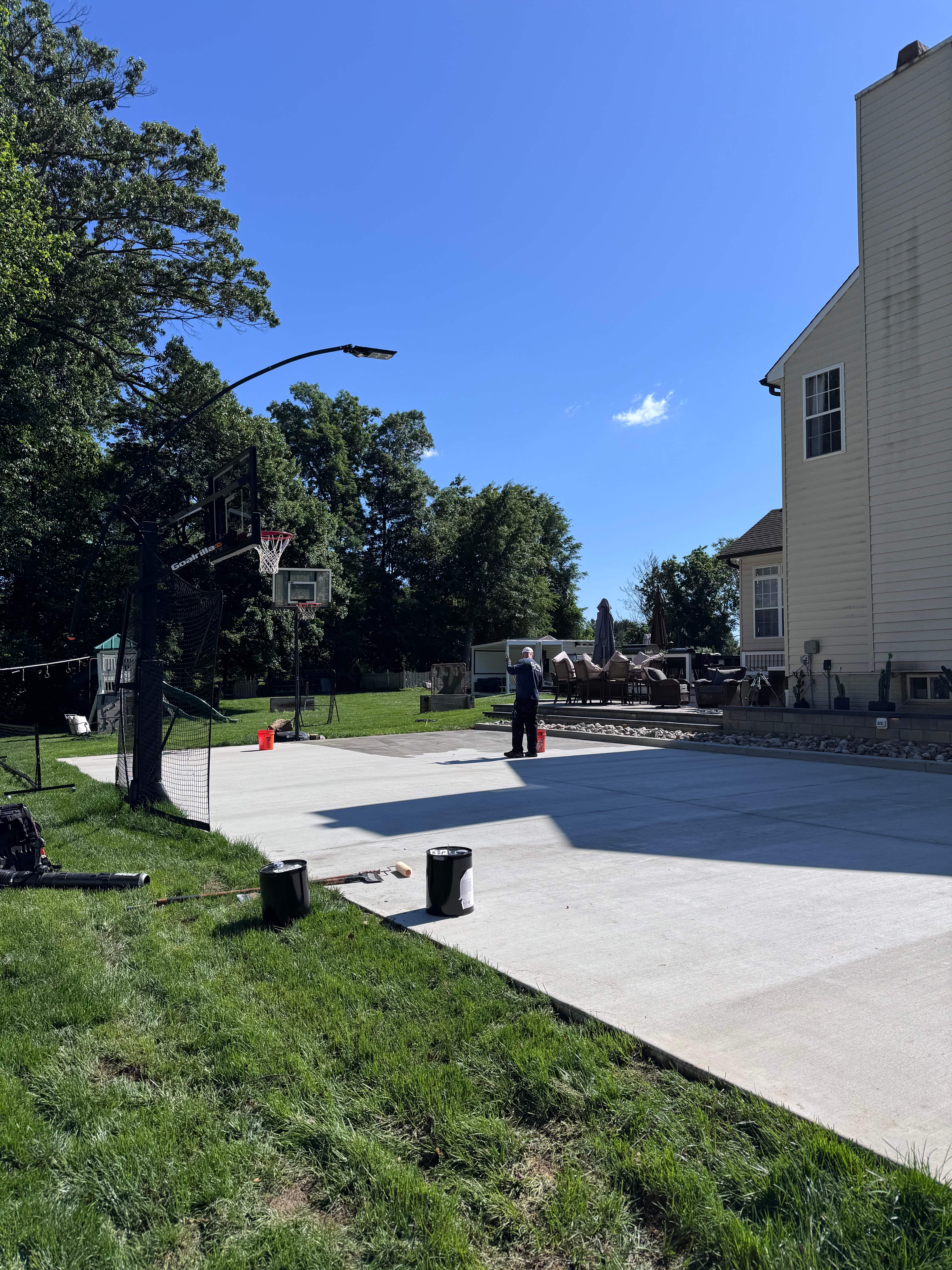
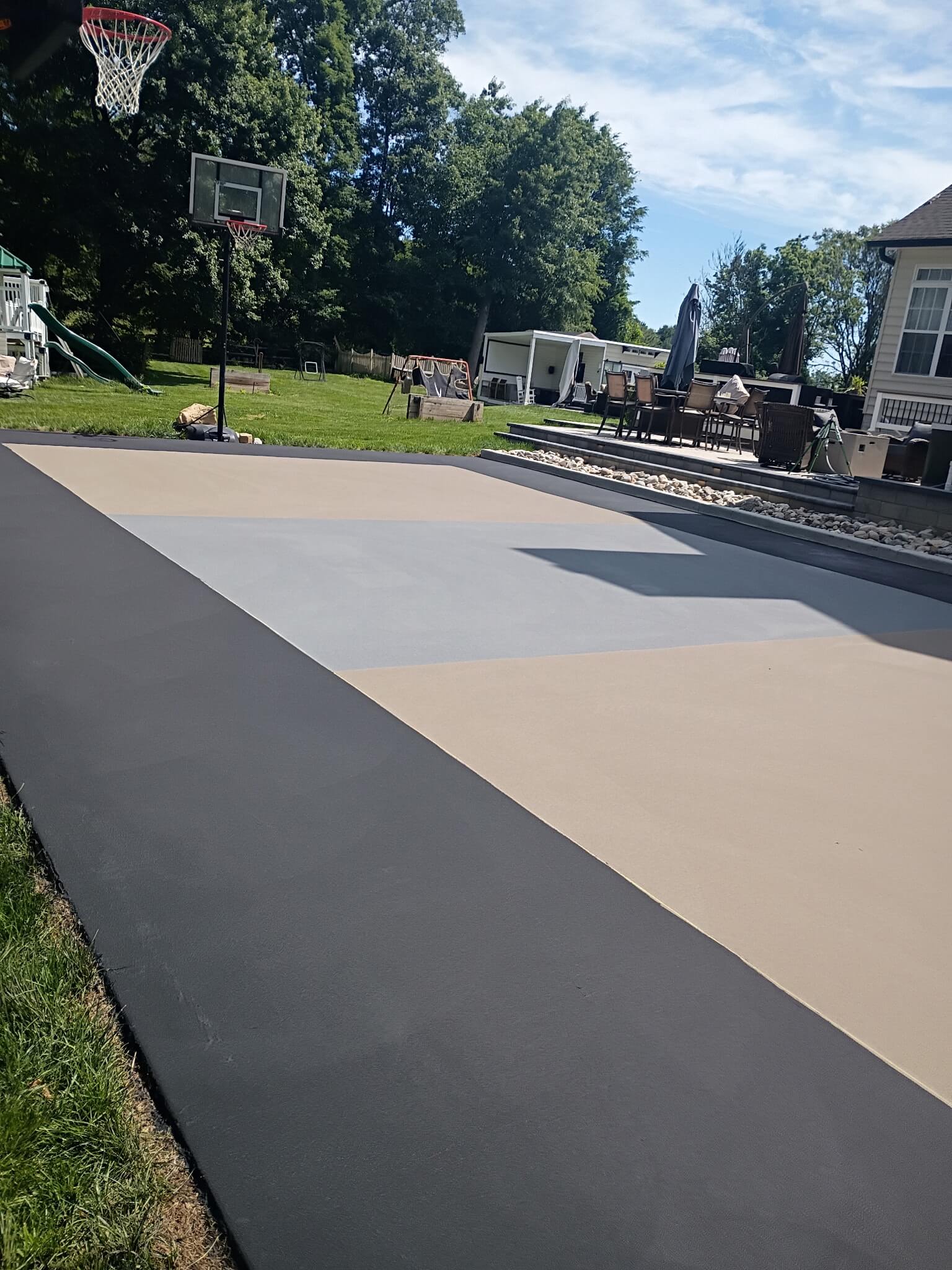
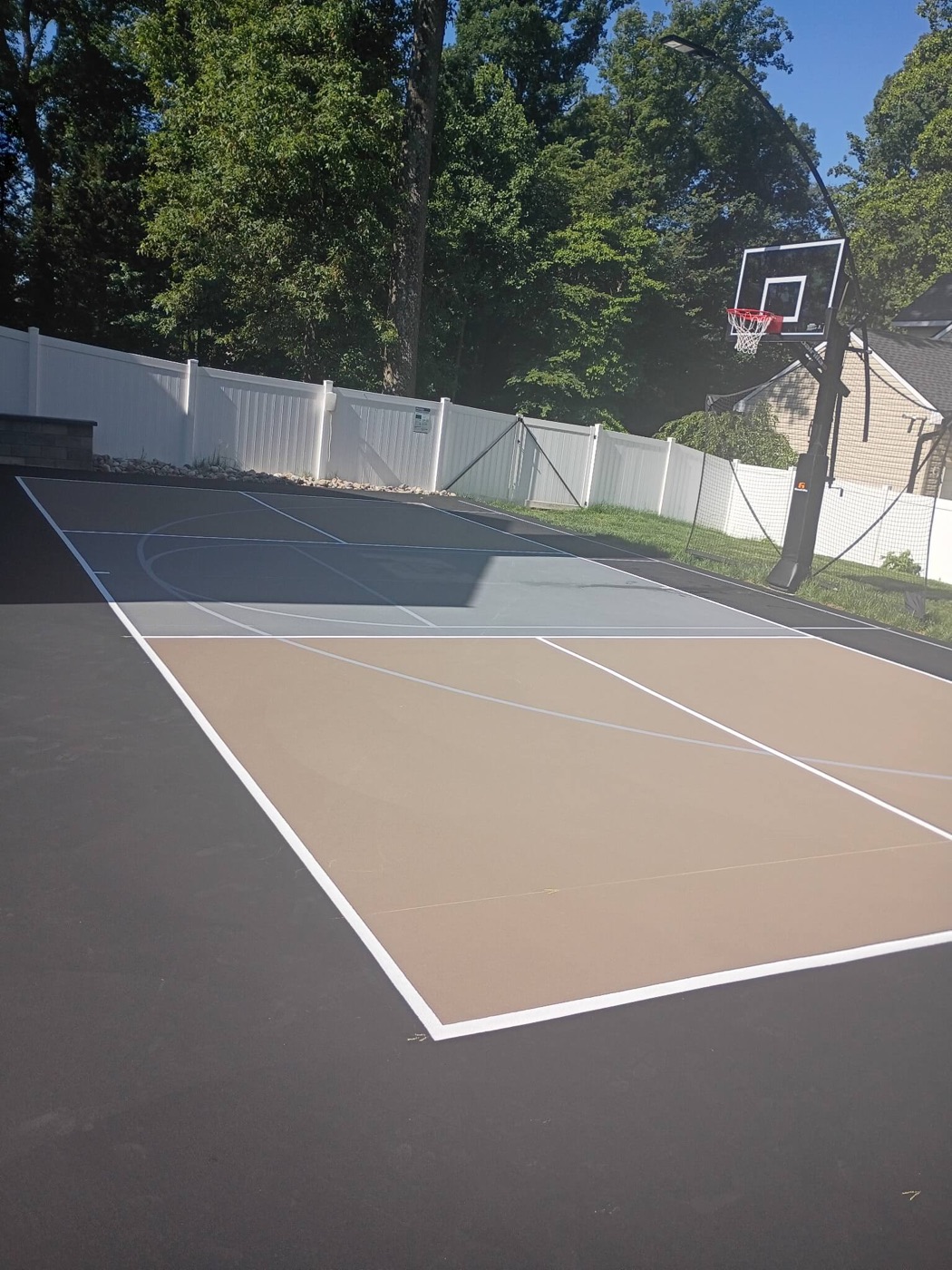
Examples of courts we built together, from foundation to finished court.
The official pickleball court specifications set the playing area at 20 feet by 44 feet, with crucial recommended run-off space that many first-time builders underestimate. Courts should typically be at least 30 by 60 ft to provide enough room for players to hit all necessary shots and do so comfortably and safely.
Spacing and Orientation
Direction matters more than people expect. Courts often run north to south so players avoid staring into a low sun. A player who has squinted through an afternoon match will raise that point before the slab is poured, when it is still easy to adjust.
Spacing between multiple courts matters too. Cram them together and stray balls interrupt neighboring games. Give a little room and everyone plays better.
The Builder and Player Partnership
The strongest projects treat design as a conversation. A skilled residential construction company brings the technical foundation, and the player brings lived experience on the surface.
This partnership shows up in small decisions that add up. Where the gate opens. How much room between your net and the fence. How high the fence stands. Each choice affects how often the court gets used and how much people enjoy it. A court built with player input tends to feel right the first time. That saves money, and it saves the frustration of reworking a finished surface.
If you are planning a pickleball court and want it to play as well as it looks, invite a regular player into the early conversations and work with a builder who welcomes that feedback. The result is a court people return to season after season.
Ready to Build Your Court?
Book a free 15-minute call with Alex and get expert insight specific to your yard and goals.
Book Free Consult